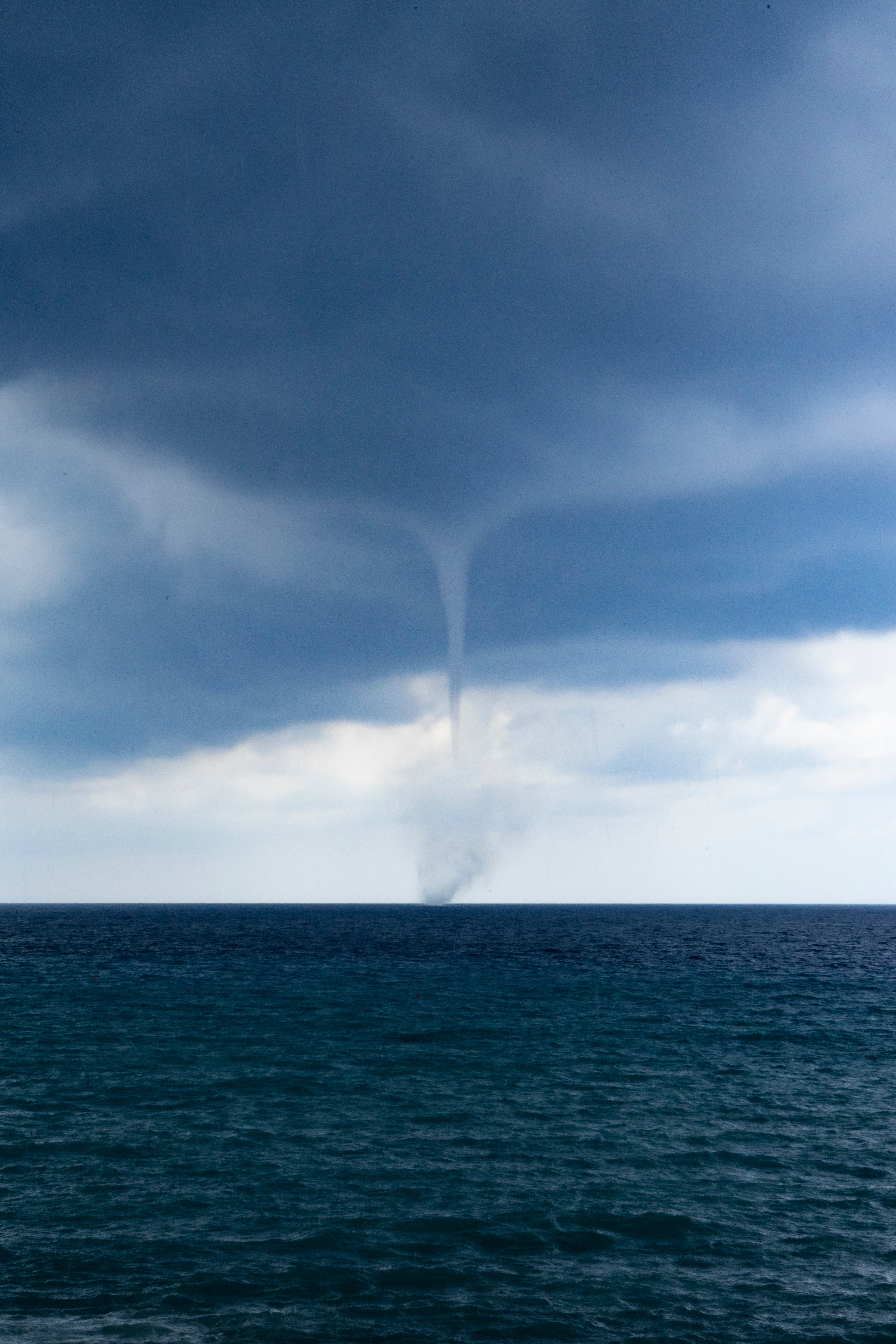
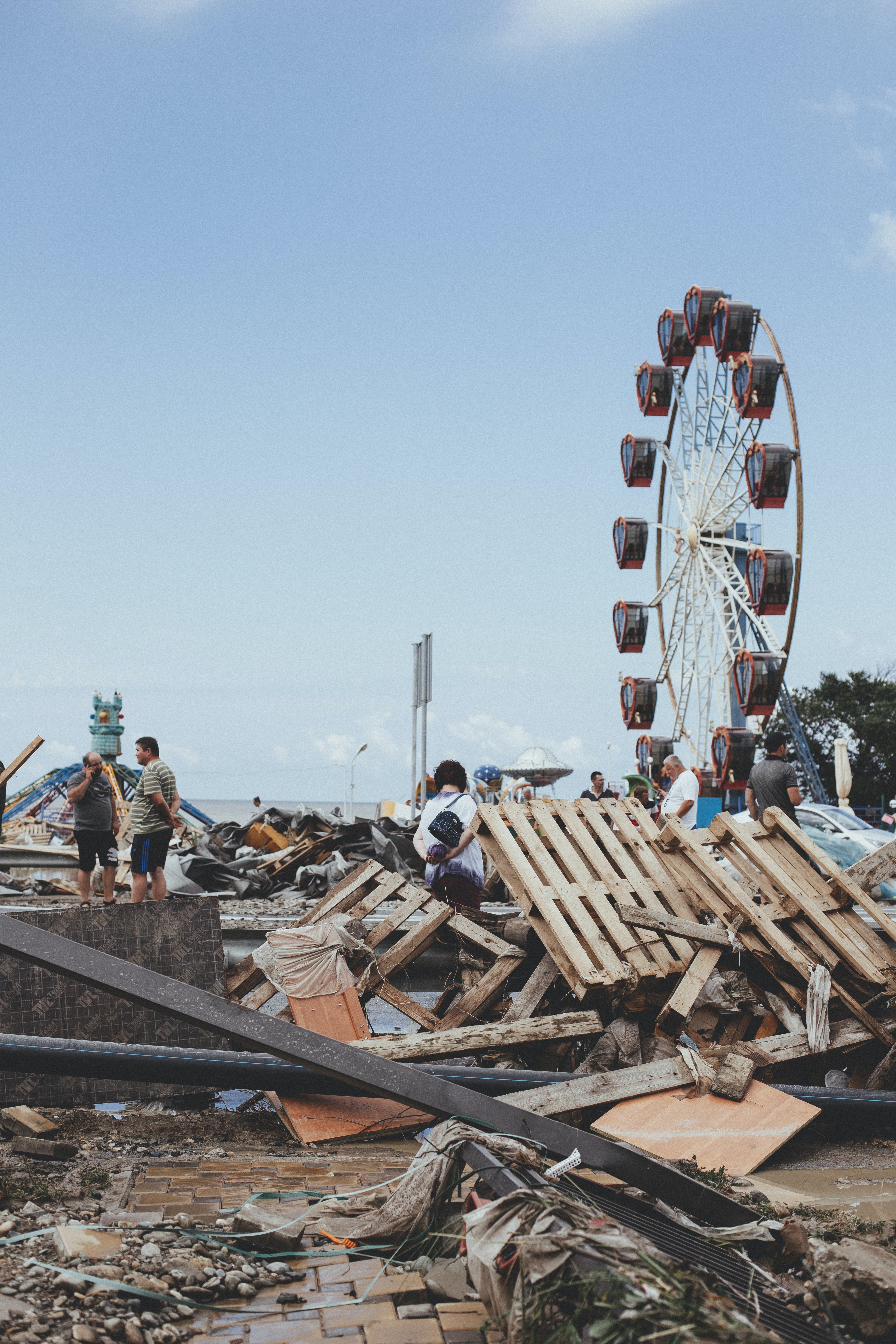
There are various advantages to being aware of typhoon threats and its effects.
By making emergency plans, storing up on supplies, and taking the required precautions to reduce damage and preserve their safety, people can become more prepared for the storms.
Additonally, it may encourage more spending on research to better comprehend and forecast these storms as well as infrastructure that can withstand the effects of typhoons.
Classify
You can discuss the various effects of typhoons, such as how they affect the environment, infrastructure, and population, and how scientists track and forecast their direction and intensity using technology and models.
Prepare
You can offer pointers and suggestions on how to get ready for a typhoon, such as making an emergency plan and stockpiling supplies, as well as how to stay safe during a typhoon, such as avoiding flood-prone regions and staying inside.
Learn More
You can also include a comprehensive overview of typhoons and their impacts, as well as an explanation of how they originate and the conditions that must exist for them to occur, as well as information on the typhoon aftermath.